
Blog list

Blog list

Blog list

Blog list

NewView Family Eyecare Blog
Learn more about optometry care in our blog!

A new school year brings fresh notebooks, busy schedules, and greater visual demands. Children use their eyes throughout the day to read, write, view classroom boards, use digital devices, and participate in sports. When their vision is not working efficiently, these routine activities can become tiring or frustrating.

Chronic dry eyes can make everyday life uncomfortable, especially when symptoms keep coming back despite using artificial tears. Many people in Waterloo deal with burning, redness, watering, gritty eyes, or irritation that affects reading, screen time, driving, and contact lens comfort. When dry eye symptoms are linked to eyelid buildup or inflammation, ZEST eyelid therapy may be a helpful treatment option.

Summer in Waterloo can bring longer days, more time outdoors, and more irritation for people with dry eyes. Heat, wind, pollen, air conditioning, and extra screen time can all make symptoms feel worse. If your eyes often feel gritty, watery, red, or tired, the issue may be more than temporary irritation.

Eye allergies are not limited to spring pollen. Many people in Waterloo experience irritation from both outdoor allergens and indoor allergens, depending on the season, weather, home environment, and daily routine. When allergens come in contact with the eyes, they can trigger redness, itching, watering, burning, and a gritty feeling.

Blurry vision that comes and goes can be frustrating, especially when it happens during work, screen time, reading, or driving. While many people assume fluctuating vision always means they need a new prescription, dry eye is often a common cause. When the tear film on the surface of the eye becomes unstable, vision may seem clear one moment and hazy the next.
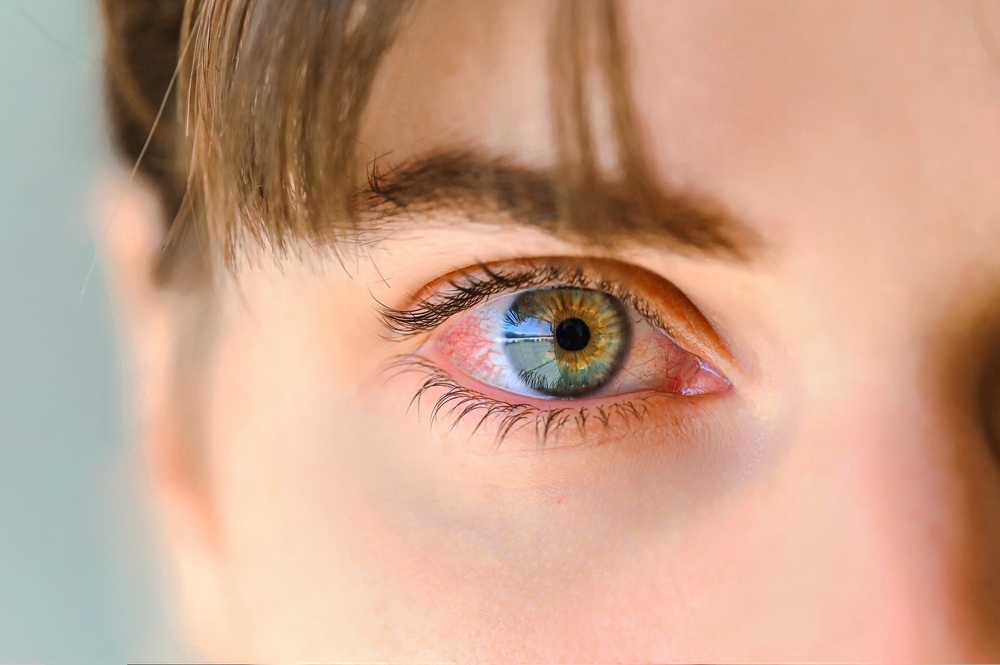
Allergy season can make contact lens wear much less comfortable. Many people notice more itching, redness, watering, and dryness when allergens are high. Since contact lenses sit directly on the eye, these symptoms can feel worse and may interfere with all-day comfort.

If your eyes feel tired, dry, or strained after a long day on your computer or phone, you’re not alone. Many people blame blue light for their discomfort, but the reality is more nuanced. Before investing in special glasses or screen filters, it’s important to understand what works, what doesn’t, and how to effectively protect your vision.

Living with dry eye can be frustrating, especially when drops and home remedies don’t bring lasting relief. At NewView Family Eyecare, we offer advanced treatment options like OptiLight Intense Pulsed Light (IPL) therapy to help patients manage dry eye more effectively.

Glaucoma is one of the leading causes of permanent vision loss, often developing silently with no early symptoms. Because it can progress without pain or noticeable vision changes, early detection is the most effective way to protect your long-term eye health. One of the key factors your eye doctor in Waterloo, IA evaluates during a comprehensive exam is your intraocular pressure (IOP) - commonly referred to as eye pressure.
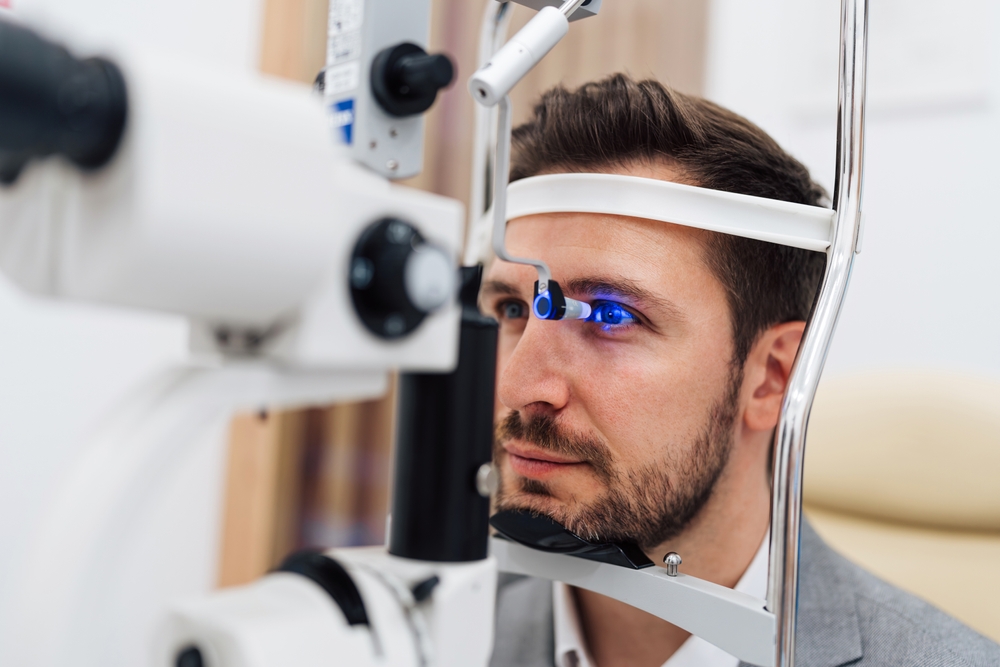
When most people think about eye exams, they think about glasses or contact lenses. While clear vision is important, your eyes can reveal much more than whether you need a prescription update. In fact, the eyes are often referred to as a “window” into your overall health. During a comprehensive eye exam, your optometrist can detect early signs of systemic conditions that may not yet be causing noticeable symptoms.


© 2026 NewView Family Eyecare - All Rights Reserved. | Accessibility Statement | Privacy Policy | Sitemap
Powered by:

