How Allergy Symptoms Can Affect Contact Lens Comfort

How Allergy Symptoms Can Affect Contact Lens Comfort

How Allergy Symptoms Can Affect Contact Lens Comfort

How Allergy Symptoms Can Affect Contact Lens Comfort

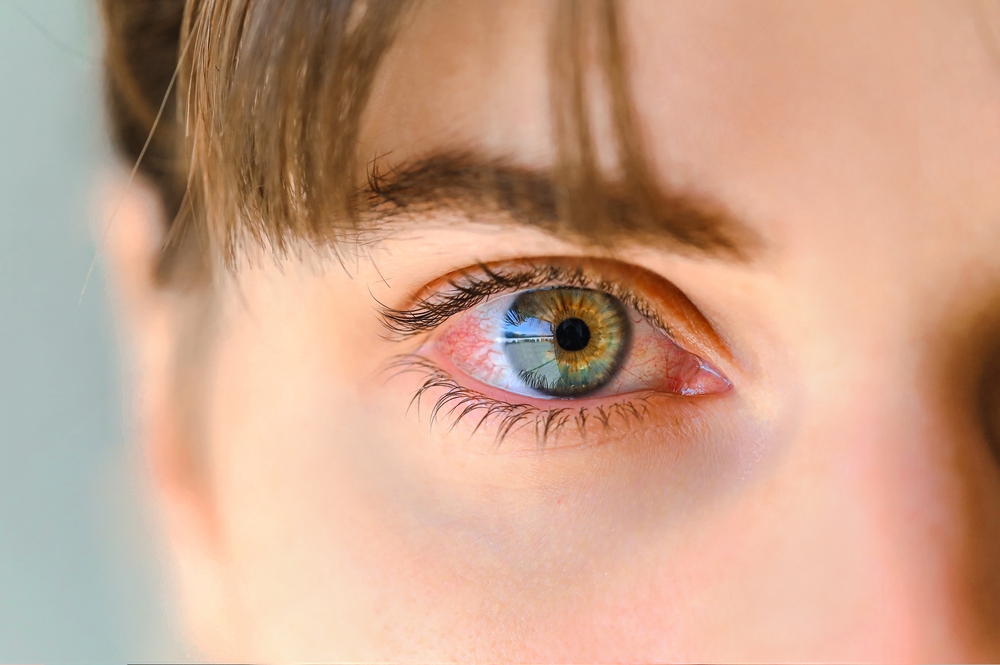
Allergy season can make contact lens wear much less comfortable. Many people notice more itching, redness, watering, and dryness when allergens are high. Since contact lenses sit directly on the eye, these symptoms can feel worse and may interfere with all-day comfort.
Why Allergies Make Contacts Feel Worse
When allergy season starts, the eyes often become more sensitive than usual. Pollen, dust, mold, and pet dander can trigger inflammation that leads to itching, redness, and watering. For contact lens wearers, this can be especially frustrating because lenses sit directly on the surface of the eye. When the eyes are already irritated, even normally comfortable lenses may start to feel distracting or uncomfortable.
Another issue is that airborne allergens can cling to the contact lens itself. Instead of acting as a barrier, the lens can hold particles against the eye for longer periods of time. This may make symptoms feel stronger and cause discomfort to build throughout the day. Patients often describe this as a gritty, irritated, or heavy feeling that gets worse the longer they wear their contacts.
Dryness and Blurry Vision
Allergies can also interfere with the tear film, which is the thin layer of moisture that keeps the eyes smooth and comfortable. When that tear film becomes unstable, the eyes may dry out more quickly. Contact lenses depend on a healthy tear film to stay comfortable, so when moisture levels drop, lenses may begin to feel dry, scratchy, or harder to tolerate.
Dryness can also affect vision quality. When the eye’s surface is not properly lubricated, contacts may not sit as smoothly as they should, which can lead to fluctuating or blurry vision. Some people notice their sight clears briefly when they blink, then becomes blurry again. If this keeps happening during allergy season, it may be a sign that allergies and dryness are affecting contact lens comfort more than expected.
Why Rubbing Your Eyes Makes It Worse
Itchy eyes are one of the most common allergy symptoms, but rubbing them can create more problems. Rubbing may increase irritation, move the lens out of place, or make the eyes more inflamed. That can lead to even more discomfort as the day goes on.
Ways to Improve Contact Lens Comfort During Allergy Season
- Replace your contact lenses as directed to reduce allergen buildup
- Wash your hands before touching your lenses
- Use contact lens friendly eye drops if recommended by your eye doctor
- Keep windows closed during high pollen days when possible
- Consider daily disposable lenses during allergy season
- Avoid rubbing your eyes even if they feel itchy
When to Change Your Lenses or Seek Treatment by an Eye Doctor
If your contacts become consistently uncomfortable during allergy season, it may be time to look at more than just the allergens in the air. In some cases, a different lens type can make a noticeable difference. Daily disposable lenses are often a good option for allergy sufferers because you start each day with a fresh pair, which can reduce the buildup of pollen, dust, and other irritants on the lens surface. Some patients may also benefit from a different lens material or an updated care routine that better supports eye moisture and comfort.
At the same time, ongoing redness, dryness, blurry vision, or trouble wearing your lenses for your normal amount of time should not be ignored. Symptoms that seem like allergies can sometimes overlap with dry eye, an outdated lens fit, or another eye surface issue. If discomfort keeps returning or seems more intense than usual, a comprehensive eye exam can help identify the cause and determine whether you need a different contact lens option or treatment plan.


© 2026 NewView Family Eyecare - All Rights Reserved. | Accessibility Statement | Privacy Policy | Sitemap
Powered by: